
Environment
Ideas for environmental protection - Small initiatives, great benefits
With the knowledge gained in school and learn more, many young people have practical jobs to contribute to environmental protection.
Browse ScienceInfo articles and explainers related to Environmental Pollution.
160 published items.
With the knowledge gained in school and learn more, many young people have practical jobs to contribute to environmental protection.
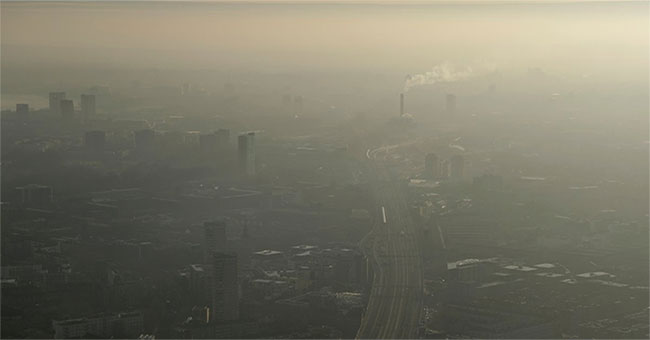
Researchers in Taiwan recently shared research results showing that the link between air pollution and throat cancer is very ominous.
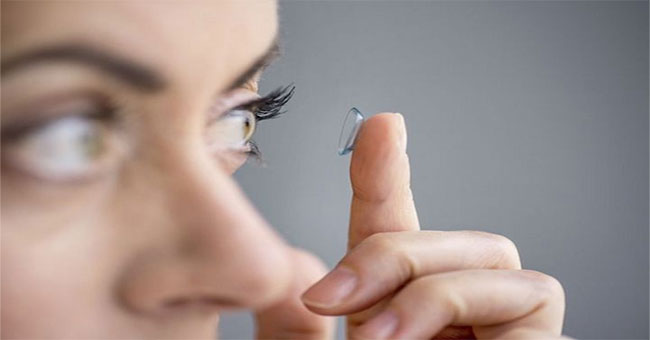
Although an effective tool to improve vision and vision in people with short-sighted contact lenses, contact lenses are also one of the causes of environmental pollution.
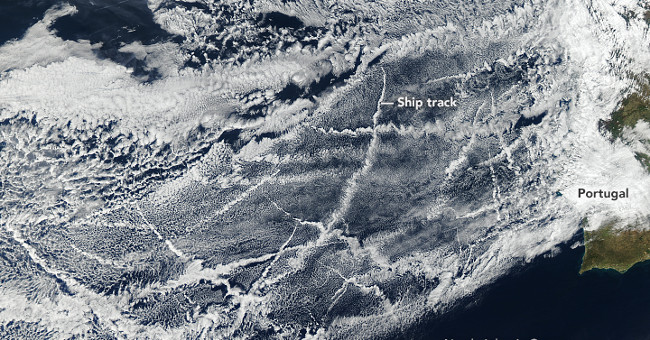
Recently, NASA's Aqua satellite has returned to Earth, bringing with it unique images of green planets taken from outer space.
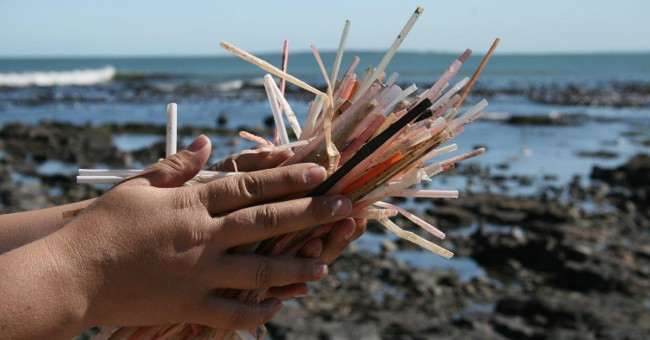
Worldwide, plastic straws are the sixth most popular type of waste, according to Litterati.
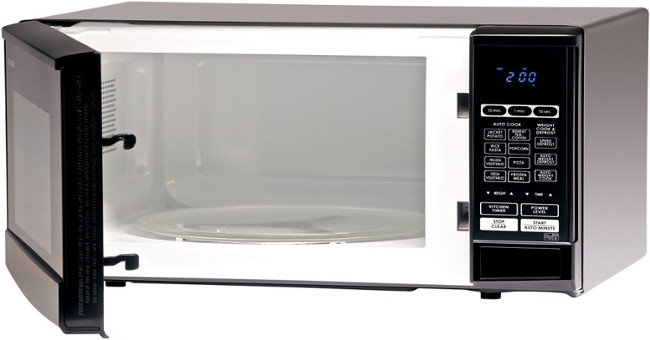
Scientists at the University of Manchester (UK) conducted the first comprehensive study of the effects of microwaves on living environments, according to Phys.org.
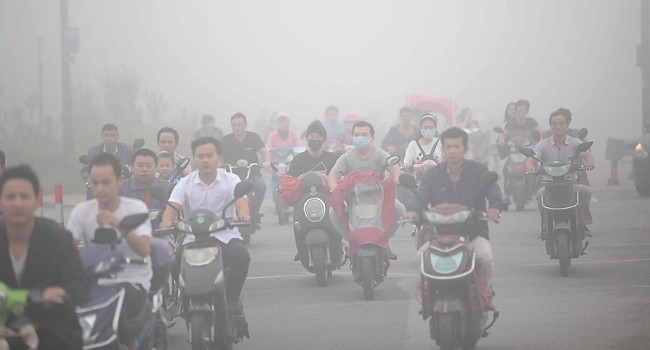
The contaminated environment will have a negative effect on the quality of male sperm, in particular, causing malformed and weaker sperm.
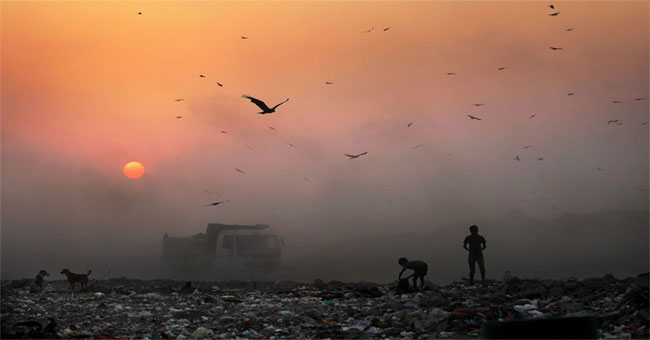
According to a large-scale study published in the medical journal The Lancet, worldwide, 1 in 6 deaths is due to exposure to toxic substances.
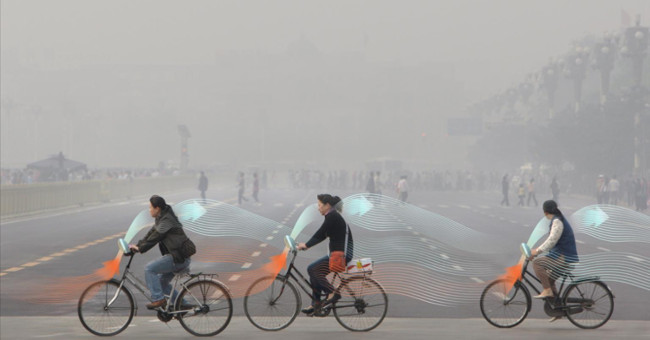
A Dutch designer who plans to use a bicycle model can suck in polluted dust and release fresh air in China.

The report recently revealed that hundreds of tons of plastic floating in the Arctic could become an immeasurable threat to the Earth.
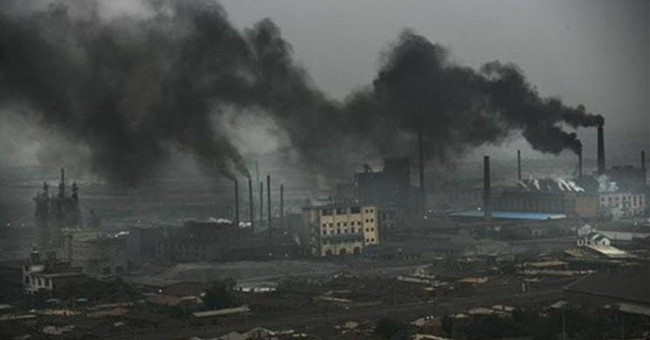
The whole strip of China's east coast dense sources of mercury dispersal.
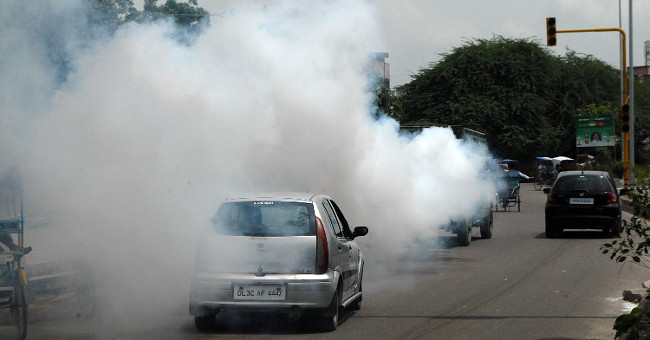
The current habitat is destroying the sense of smell, making people crave more salty food and have a fatter appearance.
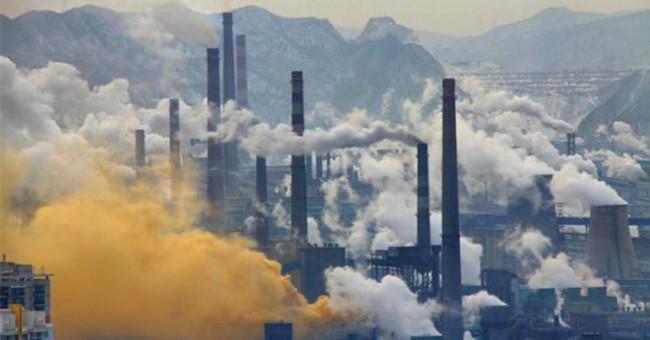
The new report published by WHO shows that environmental pollution is one of the main causes of child deaths.
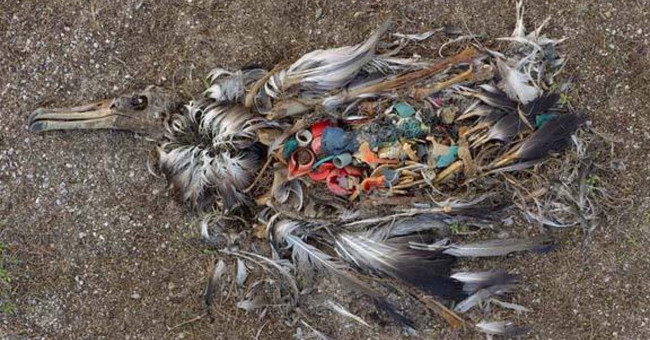
Midway Atoll, a remote Pacific island is showing us a horrifying scene after the death of seabirds.

Cups, forks, knives, forks, plastic fast food containers ... were banned from sale in France to minimize environmental pollution.